Equine Cryotherapy, Delivered Stall-Side
Equine Cryotherapy,
Delivered Stall-Side
A targeted approach to supporting recovery, circulation, and tissue health through CO₂ cold therapy. Request your appointment.


What It Does
A Faster Way to Cool the Right Areas
Cryotherapy uses rapid, localized cooling to trigger the horse’s natural cold response. Blood vessels narrow, then reopen as the area warms, creating a circulatory flush that can support recovery, comfort, and fluid movement in stressed tissue.
No ice boots. No cold hosing. No hauling out. Just focused,
stall-side cold therapy for the areas that need it most.
Cryotherapy uses rapid, localized cooling to trigger the horse’s natural cold response. Blood vessels narrow, then reopen as the area warms, creating a circulatory flush that can support recovery, comfort, and fluid movement in stressed tissue.
No ice boots. No cold hosing. No hauling out. Just focused,
stall-side cold therapy for the areas that need it most.
What It Does
A Faster Way to Cool the Right Areas
Localized CO2 cooling triggers a natural cold response where blood vessels narrow and then reopen, creating a circulatory flush. This mechanical signaling can support recovery, comfort, and fluid movement in stressed tissue without the need for ice boots, cold hosing, or hauling out.
TARGETED COLD THERAPY
VASOCONSTRICTION
VASODILATION
SECONDS OF COLD
RAPID COOLING
MOBILE CRYOTHERAPY
THERMAL SHOCK
LOCALIZED CRYOTHERAPY
SOFT TISSUE COOLING
BARN-SIDE CRYOTHERAPY
Thermic Shock
The Immediate Response
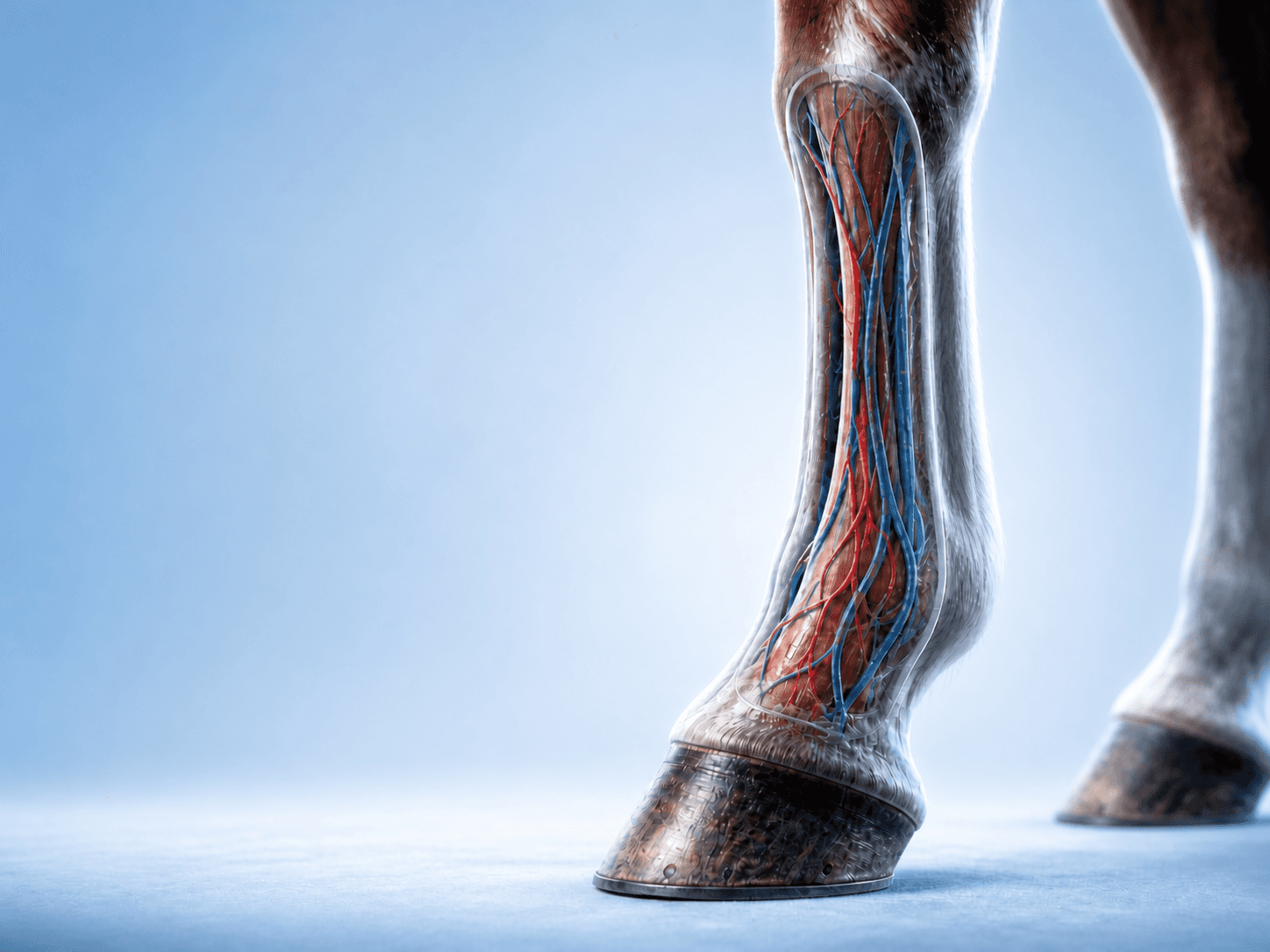
Localized CO2 cryotherapy creates a rapid drop in skin temperature to induce thermic shock and force a vascular response in the targeted area. This mechanical signaling can support cellular activity by prioritizing blood flow and may help the horse's body manage inflammation.
Learn More
The Biological Response
Supporting Cellular Recovery
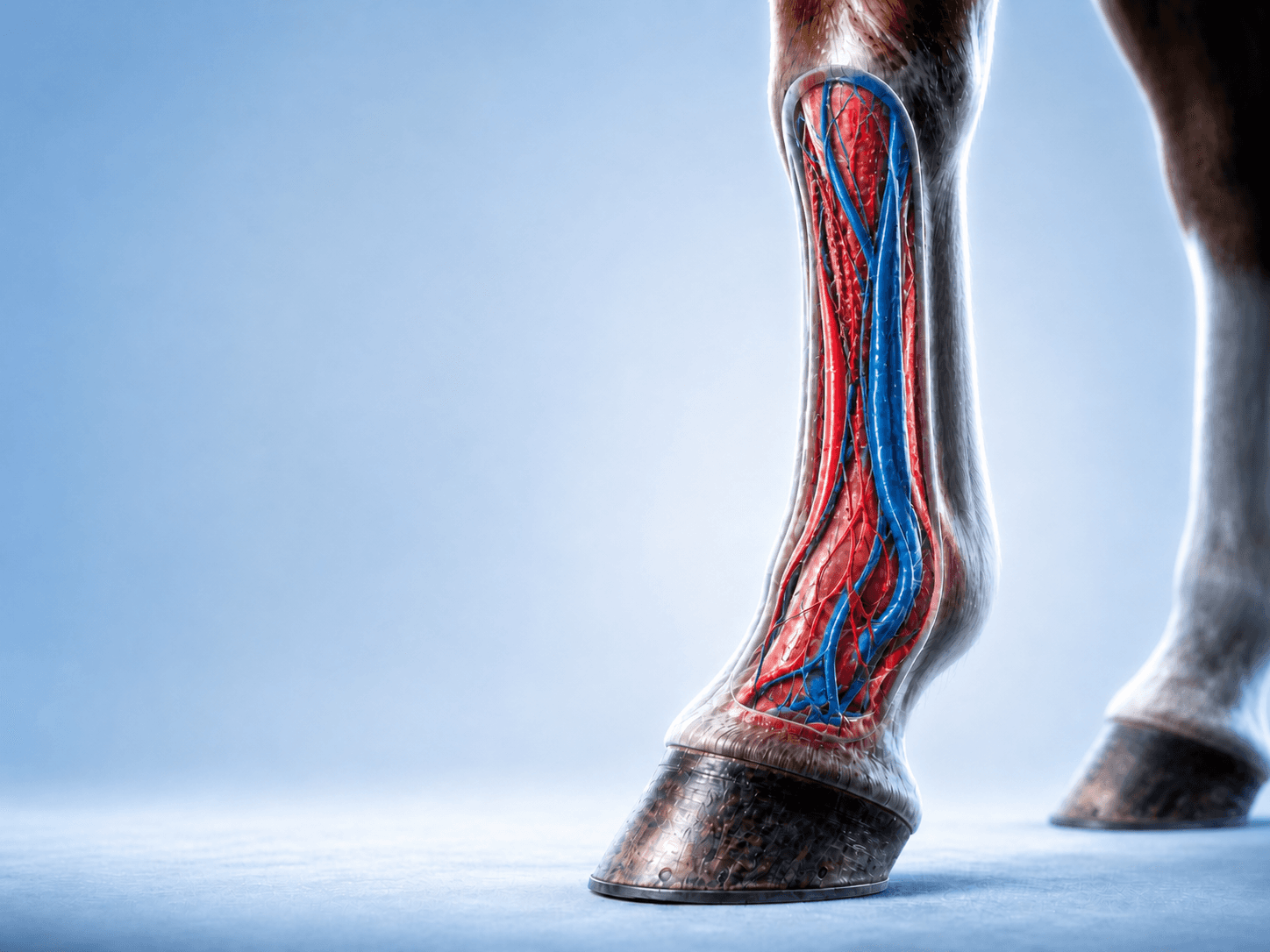
Vasodilation rushes oxygenated blood to the site, which can support tissue repair and may help flush out inflammation and metabolic waste. This process provides recovery support for horses in ranching, barrel racing, jumping, and dressage.
Learn More
New to The Red Mare?
Start Here
Start Here
Start Here
First-time route sessions start at $55 when your barn fits an existing route. Try targeted cryotherapy without a membership or package commitment.
First-time route sessions start at $55 when your barn fits an existing route. Try targeted cryotherapy without a membership or package commitment.
First-time route sessions start at $55 when your barn fits an existing route. Try targeted cryotherapy without a membership or package commitment.



Affordable Pricing
Discipline Packages
Get specialized recovery protocols designed specifically for the unique physical demands of your horse's discipline. View our membership and multi-session rates to find the right plan for your barn.
View Discipline Plans
Cryotherapy FAQ's
How does "Thermal Shock" differ from just icing?
Scientific Insight: Handheld devices aim for Thermal Shock, a rapid drop in skin temperature (from 86°F to below 39°F in seconds). This triggers a much more intense response alternating constriction and dilation of the blood vessels than slow cooling ice boots. This pumping effect is what helps move fluid through the lymphatic system and reduces swelling more effectively.
Why Is Each Body Part Limited to 3–5 Minutes?
Rapid Temperature Drop: The device is designed to lower the skin temperature of the targeted area to roughly 39°F in about 30 seconds, triggering a much faster biological response than traditional icing. Circulatory Support: This sudden cold can help support a "rebound" effect, where the body significantly increases blood flow to the area once the session ends. Targeted Safety: Because the temperatures are so low, limiting the application to a 3 to 5-minute window helps support skin integrity and minimizes the risk of tissue damage. Efficient Recovery: Short sessions on a specific hock, tendon, or muscle group can help support the natural removal of fluids and provide localized comfort without the need for long, static cooling.
The "45-Minute" Rule: Before and After Riding
45 Minutes BEFORE Riding: Applying the cold shock roughly 45 minutes before you tack up can help support tissue elasticity. After the initial cold, the body sends a surge of warm blood to the area. Riding during this "rebound" phase can help the tendons feel more pliable and prepared for work. 45 Minutes AFTER Riding: Using the device within 45 minutes of finishing your ride can help support inflammation management. This helps address the "heat bloom" in the legs before soreness sets in, which can help the horse's overall recovery process.
Is a single session enough?
Addressing Immediate Needs If the goal is to help support a horse after a strenuous workout or to address a sudden area of heat, a single session may help support the body's natural "pump and flush" response. This rapid cooling can help support localized comfort and the immediate movement of fluid in the targeted body part. Building Long-Term Support For more persistent needs, a single session is often just the starting point. Using the device for 3 to 5 sessions over the course of a week may help support the body’s natural recovery cycle more effectively. This cumulative approach can help support the horse's system as it works to maintain balance in the tissues over time. Maintenance for Performance While one session can help address the heat of the moment, a regular schedule may help support the horse's overall wellness and performance longevity. Think of a single session as immediate support, while a series of sessions can help support the horse’s long-term foundation.
Does it hurt or will my horse be scared?
Most horses settle into the process very quickly, and the application is designed to be a calm, non-stressful experience. Ease-of-Use Nozzle: A specialized nozzle is used to help the horse ease into the sensation. Gradual Introduction: This equipment allows for a gentler start, which can help support the horse's confidence as they get used to the air flow and the cooling sensation. Soothing Effect: As the targeted body part reaches the desired temperature, the localized numbing may help support a more relaxed and comfortable state for the horse. Non-Invasive Approach: Because there are no heavy wraps or restrictive boots, this method may help support a better experience for horses that are sensitive about their legs or body being handled.
Cryotherapy FAQ's
How does "Thermal Shock" differ from just icing?
Scientific Insight: Handheld devices aim for Thermal Shock, a rapid drop in skin temperature (from 86°F to below 39°F in seconds). This triggers a much more intense response alternating constriction and dilation of the blood vessels than slow cooling ice boots. This pumping effect is what helps move fluid through the lymphatic system and reduces swelling more effectively.
Why Is Each Body Part Limited to 3–5 Minutes?
Rapid Temperature Drop: The device is designed to lower the skin temperature of the targeted area to roughly 39°F in about 30 seconds, triggering a much faster biological response than traditional icing. Circulatory Support: This sudden cold can help support a "rebound" effect, where the body significantly increases blood flow to the area once the session ends. Targeted Safety: Because the temperatures are so low, limiting the application to a 3 to 5-minute window helps support skin integrity and minimizes the risk of tissue damage. Efficient Recovery: Short sessions on a specific hock, tendon, or muscle group can help support the natural removal of fluids and provide localized comfort without the need for long, static cooling.
The "45-Minute" Rule: Before and After Riding
Why wait 45 minutes before riding? Applying cold therapy may cause a temporary reduction in tissue elasticity while the vessels are constricted. Waiting 45 minutes ensures the "rebound" phase is active, where increased blood flow can make the tendons and ligaments more pliable and prepared for the physical load of work. This wait time is essential to avoid putting high stress on tissue that may still be cold and less flexible. Why wait 45 minutes after riding? It is important to allow the horse to settle and ensure their legs are completely clean and dry before application. Moisture or debris on the skin can interfere with the thermal transfer or may cause surface irritation. Applying the $CO_2$ in this window can help manage the natural heat bloom that occurs after exercise, which may support the horse's overall recovery process.
Is a single session enough?
Addressing Immediate Needs If the goal is to help support a horse after a strenuous workout or to address a sudden area of heat, a single session may help support the body's natural "pump and flush" response. This rapid cooling can help support localized comfort and the immediate movement of fluid in the targeted body part. Building Long-Term Support For more persistent needs, a single session is often just the starting point. Using the device for 3 to 5 sessions over the course of a week may help support the body’s natural recovery cycle more effectively. This cumulative approach can help support the horse's system as it works to maintain balance in the tissues over time. Maintenance for Performance While one session can help address the heat of the moment, a regular schedule may help support the horse's overall wellness and performance longevity. Think of a single session as immediate support, while a series of sessions can help support the horse’s long-term foundation.
Does it hurt or will my horse be scared?
Most horses settle into the process very quickly, and the application is designed to be a calm, non-stressful experience. Ease-of-Use Nozzle: A specialized nozzle is used to help the horse ease into the sensation. Gradual Introduction: This equipment allows for a gentler start, which can help support the horse's confidence as they get used to the air flow and the cooling sensation. Soothing Effect: As the targeted body part reaches the desired temperature, the localized numbing may help support a more relaxed and comfortable state for the horse. Non-Invasive Approach: Because there are no heavy wraps or restrictive boots, this method may help support a better experience for horses that are sensitive about their legs or body being handled.